
Polymer Currency Price: What Drives the Cost of Polymer Money in the UK
- Posted on
SuperPrintTech
- 0
- Categories: Blog Post
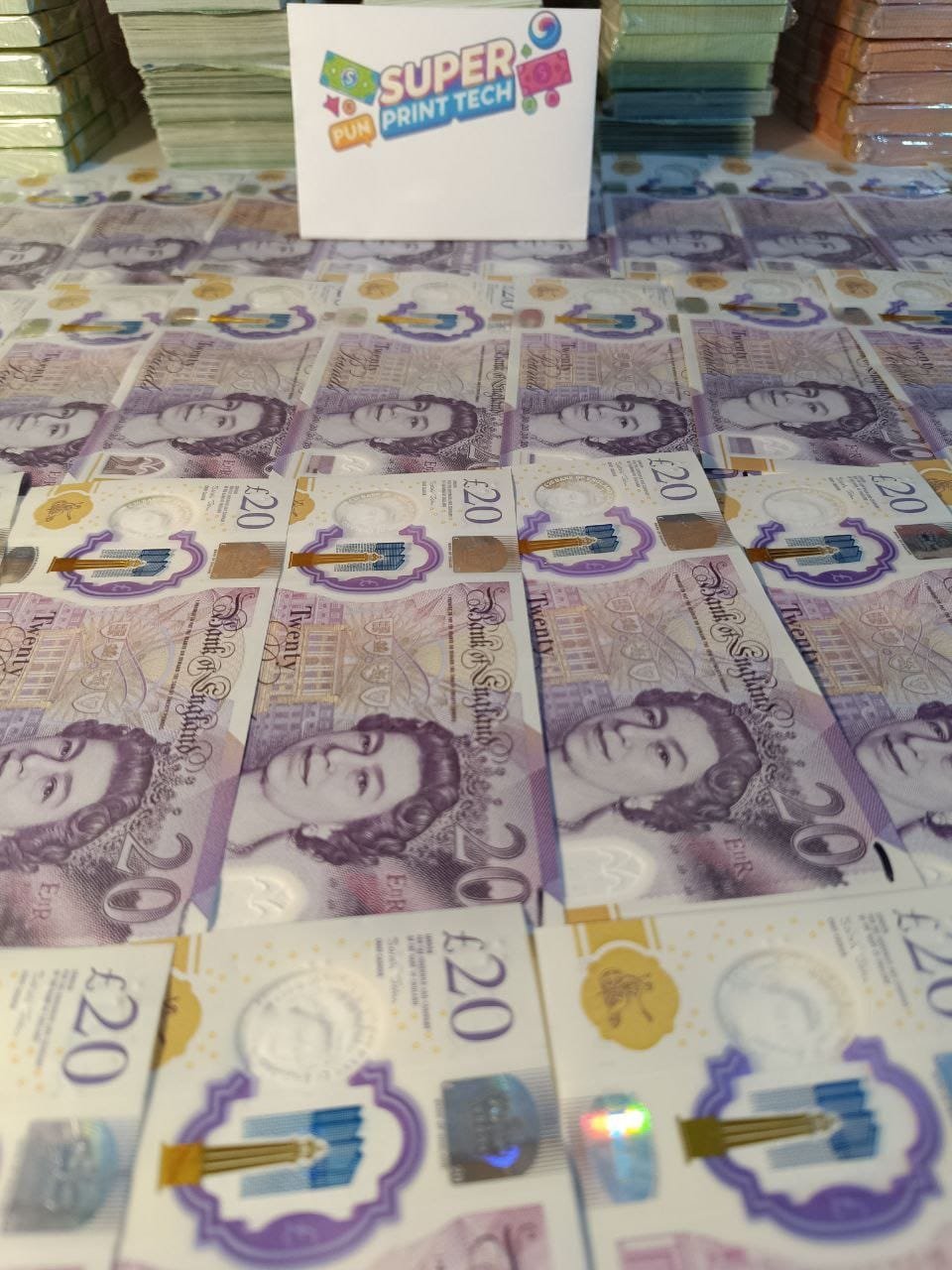
Have you ever held a modern £5, £10, £20, or £50 note in the UK? Then you’ve held a small marvel of material science. These aren’t your grandfather’s paper banknotes. Instead, they’re made from a thin, flexible polymer film. This shift represents one of the biggest changes in currency production in decades. However, that shift comes with a price tag that often surprises people. To understand polymer currency price, you need to look beyond the sticker cost. Specifically, you need to look at the engineering, security, and durability that polymer notes bring to the table.
What Is Polymer Money, Exactly?
Polymer money is currency printed on biaxially oriented polypropylene (BOPP). This differs from traditional cotton-linen paper. As a result, manufacturers coat this material with a special ink-receptive layer. That layer, in turn, enables high-resolution printing, embedded security features, and a level of durability that paper simply cannot match.
The Bank of England began transitioning to polymer for Polymer notes UK in 2016, starting with the £5 note. After that, the £10, £20, and £50 denominations followed. Notably, this decision took years. Before the switch, officials ran extensive testing, conducted cost-benefit analysis, and consulted printing technology specialists.
Breaking Down the Polymer Currency Price
Why does the polymer currency price run higher than paper? Several factors drive this cost up.
1. Raw Material Costs BOPP film costs more per unit than cotton-linen paper stock. Because of this, manufacturers need a specialized process to produce a substrate that can withstand folding, moisture, and heavy circulation.
2. Specialized Printing Technology Polymer substrates need different ink formulations and printing presses than paper does. Consequently, printers need precision equipment and careful calibration to achieve crisp, tamper-resistant designs on a non-porous surface.
3. Security Feature Integration Polymer notes allow for clear windows, holographic foils, and metallic elements. As a result, counterfeiters find these features extremely difficult to replicate. Meanwhile, embedding them during production adds to the per-note cost.
4. Longer-Term Savings Here’s the twist: the upfront polymer currency price runs higher, yet polymer notes last roughly 2.5 times longer than paper notes. In fact, the Bank of England cites durability studies that show something remarkable. According to these studies, polymer notes survive washing machine cycles, mud, and thousands of folds without significant damage. Over a note’s full lifecycle, therefore, this durability often makes polymer the more cost-effective choice.
The Role of Advanced Printing Partners
Not every printer can produce Polymer notes UK at scale. Rather, this work requires partners with deep expertise in security printing, substrate handling, and industrial-scale quality control. This is where companies like Super Print Tech enter the picture.
Firms that specialize in secure currency and document printing combine several skills. For example, they understand polymer substrate chemistry, master modern press technology, and enforce rigorous anti-counterfeiting protocols. Specifically, Super Print Tech and similar operations focus on:
- Calibrating presses specifically for non-porous polymer film
- Integrating covert and overt security features (UV elements, microtext, tactile marks)
- Maintaining consistency across millions of notes in a single print run
- Meeting central bank compliance and durability standards
Altogether, this expertise directly shapes the overall polymer currency price. In other words, you’re not just paying for material you’re paying for a manufacturing process engineered to defeat counterfeiters and survive years of handling.
Is Polymer Money Worth the Higher Price?
From a pure economics standpoint, yes. Central banks that have adopted polymer including the Bank of England, Reserve Bank of Australia, and Bank of Canada have run the numbers. Overall, their studies consistently show three things: polymer notes need replacement far less often due to damage; counterfeiting rates drop substantially because the security features resist replication; and environmental impact per note often comes out lower over the note’s lifespan, since paper currency needs constant reprinting.
For this reason, the UK frames its switch to Polymer notes UK as both a security upgrade and a long-term cost-management strategy. Although the initial production investment ran higher, officials designed the switch with the long game in mind.
The Future of Currency Printing
Global demand for secure, durable, and counterfeit currency keeps growing. Naturally, the technology behind polymer money keeps evolving to match it. Currently, printing specialists like Super Print Tech push into new territory, including:
- Enhanced holographic and 3D security threads
- Smart authentication features readable by mobile devices
- More sustainable polymer formulations with improved recyclability
As a result, the conversation around polymer currency price won’t stay static. As production techniques mature and scale increases, costs may shift. Nevertheless, security and durability will stay central to how nations approach currency design.
Final Thoughts
Ultimately, the polymer currency price reflects a trade-off. You pay more upfront, but in return, you gain durability, security, and lower replacement costs over time. Indeed, Polymer Notes UK has proven this point since 2016. This shift, therefore, goes beyond a simple materials swap it represents a fundamental rethink of how money gets designed, printed, and protected. Behind that shift sit specialized printing technology providers, whose precision work makes secure, long-lasting currency possible.
FAQ
Polymer currency price depends on raw material costs, specialized printing technology, and the security features embedded during production. Together, these factors make polymer notes more expensive to produce than paper notes.
In most cases, yes. Central banks report fewer replacements, lower counterfeiting rates, and reduced long-term costs, which often offset the higher initial polymer currency price.
Yes — polymer notes are designed to be folded just like paper money, and they actually handle it better over the long run.
Polymer money is water-resistant, not fully waterproof. The polymer doesn’t absorb water or disintegrate the way paper does,